
One unique trait of great leaders is their ability to identify opportunities when others see barriers. They challenge conventional knowledge, look past the obvious, and highlight opportunities that are there in front of us. In fast-growing cities like Lagos, where traffic, urbanization, and rising infrastructure demand create challenges, leadership is often defined by the capacity to envision a new future. By transforming unused resources into engines for growth and transforming the way millions of people connect, live, and work, this way of thinking distinguishes administrators from change agents.
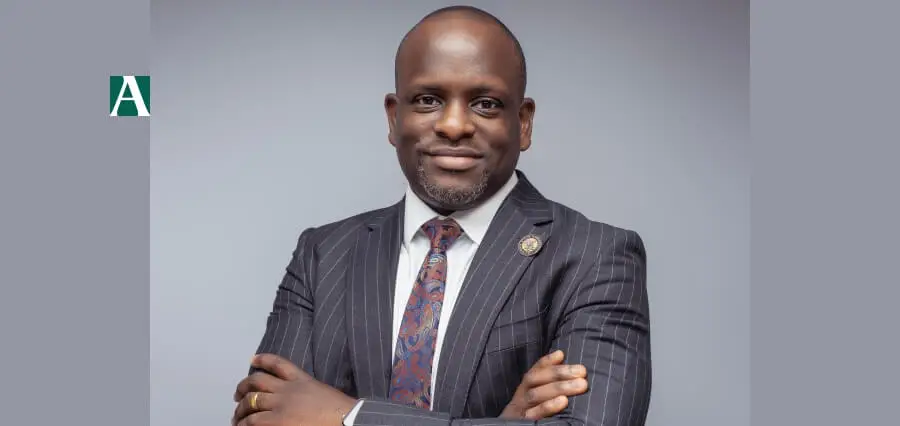
Oluwadamilola Emmanuel, Managing Director of the Lagos State Waterways Authority (LASWA), is in charge of this important but frequently overlooked ecosystem. He sees Lagos’ rivers as much more than just picturesque spots and is an ardent supporter of utilizing the city’s water resources. According to Emmanuel, they provide Lagos one of its best chances for connectedness, sustainable growth, and economic change, setting the blue economy as a pivotal moment in the future of the most vibrant metropolis in Africa.
From Operational Excellence to Visionary Leadership
Oluwadamilola’s leadership journey evolved over time. Early in his career, he was focused on operations, execution, and delivering results. His approach was largely process-driven, with an emphasis on efficiency and performance. As his experience grew, so did his perspective on leadership. He realized that long-term success depends on building strong teams, fostering meaningful partnerships, and empowering people to take ownership of shared objectives.
“Experience has taught me that sustainable success comes from building strong teams, fostering partnerships, and empowering people to take ownership of shared goals,” he says.
Today, Oluwadamilola Emmanuel sees leadership as a balance between vision and execution. He believes effective leaders must be able to anticipate future challenges while remaining grounded in day-to-day realities. In a rapidly growing city, he considers adaptability an essential leadership quality.
At the Lagos State Waterways Authority (LASWA), this philosophy guides his approach to managing an organization that operates across public safety, infrastructure, environmental sustainability, and economic development. He ensures that every employee, from senior executives to frontline staff, understands how their work contributes to the agency’s broader mission. “Whether we are focused on waterway safety, regulatory compliance, infrastructure development, or stakeholder engagement, everyone must understand how their role contributes to the broader vision of building a safe, efficient, and world-class waterways transportation system for Lagos State,” he says.
Turning Crisis into an Opportunity for Change
Every leader faces challenges that go beyond what any job description can prepare them for. For Oluwadamilola Emmanuel , one such moment came during a period of intense public scrutiny over safety on Lagos waterways. Following a series of incidents, questions were raised about whether enough was being done to ensure commuter safety. Instead of responding with a narrow focus on stricter enforcement, Oluwadamilola Emmanuel adopted a broader and more proactive strategy. Under his leadership, the Lagos State Waterways Authority (LASWA) shifted from reactive crisis management to a preventive, system-wide approach.
The agency brought together boat operators, waterfront communities, emergency responders, commuters, and government partners to work towards a common goal of improving waterway safety. “It became clear that addressing the challenge required a broader shift from reactive management to a more proactive and preventive approach,” he says.
As part of this effort, LASWA strengthened safety enforcement measures, increased stakeholder engagement, expanded public awareness campaigns, and enhanced collaboration with boat operators. The authority also made difficult decisions that prioritized long-term safety outcomes, even when those choices were not the easiest or most convenient. The experience reinforced an important leadership lesson for Oluwadamilola Emmanuel. He believes that effective leadership requires the courage to embrace change when circumstances demand it.
“Leadership is not about maintaining the status quo. It is about having the courage to adapt when circumstances demand it,” he says. This willingness to challenge existing practices and introduce meaningful reforms strengthened LASWA’s credibility and helped set new standards for waterways governance in Lagos.
Building Leaders and Empowering Teams
One of the clearest examples of Oluwadamilola’s leadership philosophy can be seen in the way he builds and manages his executive team. At the heart of his approach is a simple belief: effective leaders should develop other leaders, not followers. “One of the most important responsibilities of any leader is to build leaders, not followers,” he says.
While LASWA operates within a formal government structure, Oluwadamilola Emmanuel promotes a culture that encourages initiative and shared responsibility. He delegates meaningful authority to team members and expects them to take ownership of their areas of responsibility. Performance is measured by clear outcomes and results rather than activity alone.
“My role is not to micromanage but to provide guidance, remove obstacles, and create an environment where people can perform at their highest level,” he explains.
For Oluwadamilola Emmanuel, leadership success is not defined by the number of decisions he makes personally. Instead, he measures success by how effectively the organization performs when capable leaders at every level are empowered to make informed decisions.
This philosophy extends across the entire organization. He actively promotes a culture of trust and psychological safety where employees feel comfortable raising concerns, sharing ideas, and learning from mistakes without fear of criticism.
“People perform at their best when they feel respected, valued, and confident that their voices will be heard,” he says. In his view, accountability and ownership go hand in hand. When employees are trusted with responsibility and supported in their roles, they develop a stronger sense of pride and commitment to the organization’s mission.
Measuring Success Beyond Numbers
Unlike private-sector organizations, where success is often measured by revenue, profit margins, and market share, Oluwadamilola Emmanuel believes public sector leadership requires a broader perspective. While financial and operational performance indicators remain important, he says they provide only part of the picture. “Particularly in the public sector, success cannot be assessed solely through numbers; it must also be evaluated through outcomes, trust, and sustainability,” he explains.
When assessing a new initiative, Oluwadamilola Emmanuel focuses on three key questions. Does it address a real problem? Does it create long-term value for stakeholders? Does it strengthen the institution’s ability to deliver better results in the future? For him, stakeholder confidence is one of the most important indicators of success. He believes trust is essential for building strong partnerships and achieving sustainable growth.
“When stakeholders have confidence in an institution, it creates a foundation for sustainable growth and meaningful collaboration,” he says. Another critical measure is the organization’s capability to grow and adapt. Oluwadamilola Emmanuel evaluates whether an initiative leaves the institution stronger, more resilient, and better prepared to meet future challenges. He believes effective leadership is measured not only by the ability to achieve immediate objectives but also by the capacity to build an organization that delivers sustainable value and long-term impact.
The Most Valuable Currency
When asked what he wishes he had known at the start of his leadership journey, Oluwadamilola Emmanuel does not point to technical expertise or policy knowledge. Instead, he highlights the importance of people. “Sustainable success is ultimately built on people, not processes,” he says. For him, one of the most important leadership lessons is the value of trust. He describes trust as the foundation of effective leadership and organizational success. It cannot be demanded and must be earned through integrity, transparency, and consistent actions.
“Once established, it enables teams to navigate uncertainty, embrace change, and remain resilient during challenging periods,” he explains. According to Oluwadamilola Emmanuel, organizations with strong levels of trust are better equipped to overcome challenges and achieve their goals. Without it, even well-funded and well-structured institutions can struggle to make meaningful progress. Another key lesson he emphasizes is the importance of adaptability. He believes organizations cannot rely solely on past achievements to remain successful in a rapidly changing environment.
“No matter how successful an organization may be today, it cannot rely solely on past achievements,” he says. He argues that long-term success depends on an organization’s willingness to evolve, challenge existing assumptions, and respond to changing circumstances while remaining true to its core values. In his view, this ability to adapt is what enables institutions to remain relevant, resilient, and effective over time.
Building a Lasting Legacy
When discussing his legacy, Oluwadamilola Emmanuel focuses less on major milestones and public recognition and more on creating lasting institutional impact. His vision is for LASWA to be remembered as a trusted, forward-looking organization that improved safety standards, strengthened operational excellence, and played a significant role in developing an integrated transportation system for Lagos State. Beyond institutional achievements, he hopes to be remembered for the positive impact he had on the people he worked with. He wants colleagues and team members to say that he challenged them to grow, trusted them with responsibility, and supported their professional development.
“Leadership, in my view, is not measured by how many decisions a leader makes personally, but by how many capable leaders they help develop,” he says. A key part of his legacy is the organizational culture he has worked to build. Grounded in integrity, accountability, collaboration, and continuous improvement, he hopes these values will continue to guide decision-making long after his tenure.
As Lagos continues to grow and its transportation needs become increasingly complex, the importance of strong and effective public institutions becomes even more evident. Through his leadership, Oluwadamilola Emmanuel is not only strengthening LASWA’s role in the state’s transportation network but also demonstrating how public institutions can build trust, deliver meaningful results, and create long-term value for the communities they serve.