Prime Highlights
- ECOWAS has endorsed the proposed Nigeria-Morocco Gas Pipeline.
- The $25 billion project aims to connect 13 West African countries.
Key Facts
- The pipeline is expected to transport 30 billion cubic metres of gas annually.
- Nigeria and Morocco are leading the project with support from regional partners.
Background
The Economic Community of West African States (ECOWAS) has endorsed the proposed Nigeria-Morocco Gas Pipeline, giving political support to one of Africa’s largest planned energy infrastructure projects. The approval strengthens regional cooperation, although construction cannot begin until participating countries finalise funding, regulations and operational agreements.
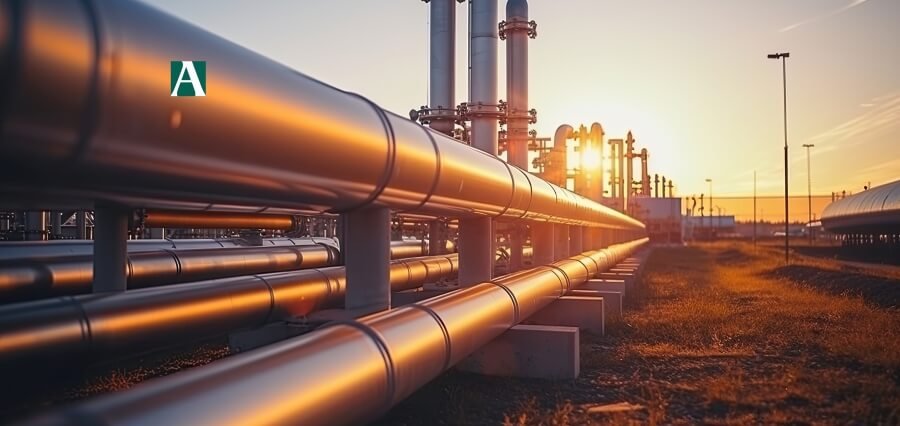
The proposed African Atlantic Gas Pipeline will stretch about 6,900 kilometres along Africa’s Atlantic coast, connecting or supplying 13 West African countries. The project is expected to transport around 30 billion cubic metres of natural gas every year. Some of the gas could also reach Europe through Morocco and Spain. The pipeline is estimated to cost about $25 billion and will be developed in phases.
In Nigeria’s view, the project represents an opportunity to export gas from its large gas reserves and provide neighboring countries with gas to produce electricity and develop industries. As for Morocco, the country intends to enhance its energy security and cut down its dependency on the import of energy. It also aims at developing its role as a transport and energy corridor between Africa and Europe.
Several international organizations have expressed their interest in the project. The United Arab Emirates can be regarded as a potential financier. In turn, such institutions as the Islamic Development Bank and the OPEC Fund have already provided engineering support for the project. The construction and engineering part of the project is likely to be carried out by Chinese firms. Moreover, Europe is seen as a potential consumer of the gas.
Despite the ECOWAS support, the project faces some difficulties. These include finding sufficient financing, establishing gas demand and harmonizing policies among participating countries.