
Prime Highlights-
- African Development Bank invests $332 million in Standard Bank security to fund South African SMEs.
- Separate $1 million grant to support digital tools, development programmes for women-led businesses.
Key Facts-
- South Africa’s 3.2 million SMEs account for about 60 percent of national jobs.
- Standard Bank commits full ZAR 5.4 billion to SME and women-led business financing.
Background-
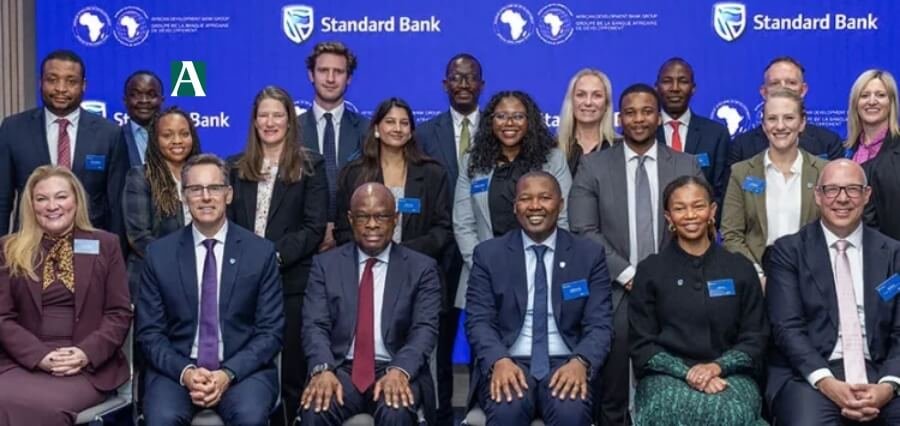
The African Development Bank has invested $332 million, or ZAR 5.4 billion, in a capital markets security issued by Standard Bank Group, Africa’s largest bank by assets, to expand credit access for small and medium-sized enterprises across South Africa.
The lender paired the deal with a separate $1 million technical assistance grant under its Affirmative Finance Action for Women in Africa programme, aimed at supporting women entrepreneurs.
Funded through the Women Entrepreneurs Finance Initiative, the grant will back digital payment tools that help businesses build credit histories, along with development support for women-led firms.
The security takes the form of a Flac instrument, a debt class introduced by the South African Reserve Bank as part of the country’s bank resolution framework. Listed on the Johannesburg Stock Exchange as a social bond, it marks Standard Bank Group’s first Flac instrument tied to social development goals.
Kennedy Mbekeani, the bank’s director general for Southern Africa, said the investment would strengthen Africa’s financial architecture while channeling long-term capital to local entrepreneurs and small businesses.
Standard Bank has committed the full ZAR 5.4 billion to SMEs, including women-led companies. South Africa’s roughly 3.2 million SMEs account for about 60 percent of the country’s jobs, according to the bank.
Luvuyo Masinda, chief executive of corporate and investment banking at Standard Bank, called the financing support for businesses that drive economic growth and job creation.
Bill Blackie, chief executive of business and commercial banking, said the grant would fund initiatives delivering tangible benefits to women-led businesses.
The deal builds on a long-standing partnership between the two institutions, which has previously included a subordinated debt facility and a risk-participation agreement supporting trade finance across Africa.